


Understanding the psychological triggers that influence casino gambling behavior
The Role of Anticipation in Gambling
Anticipation plays a significant role in the psychology of gambling. The thrill of waiting for the outcome, whether it’s the spinning of a roulette wheel or the flip of a card, creates a unique emotional experience. This tension can amplify excitement, driving players to engage in gambling activities more frequently. Anticipation fuels the belief that a win is just around the corner, leading to a cycle of continued play, often despite previous losses. For those exploring online betting sites uk, this sense of anticipation can greatly influence their experience.
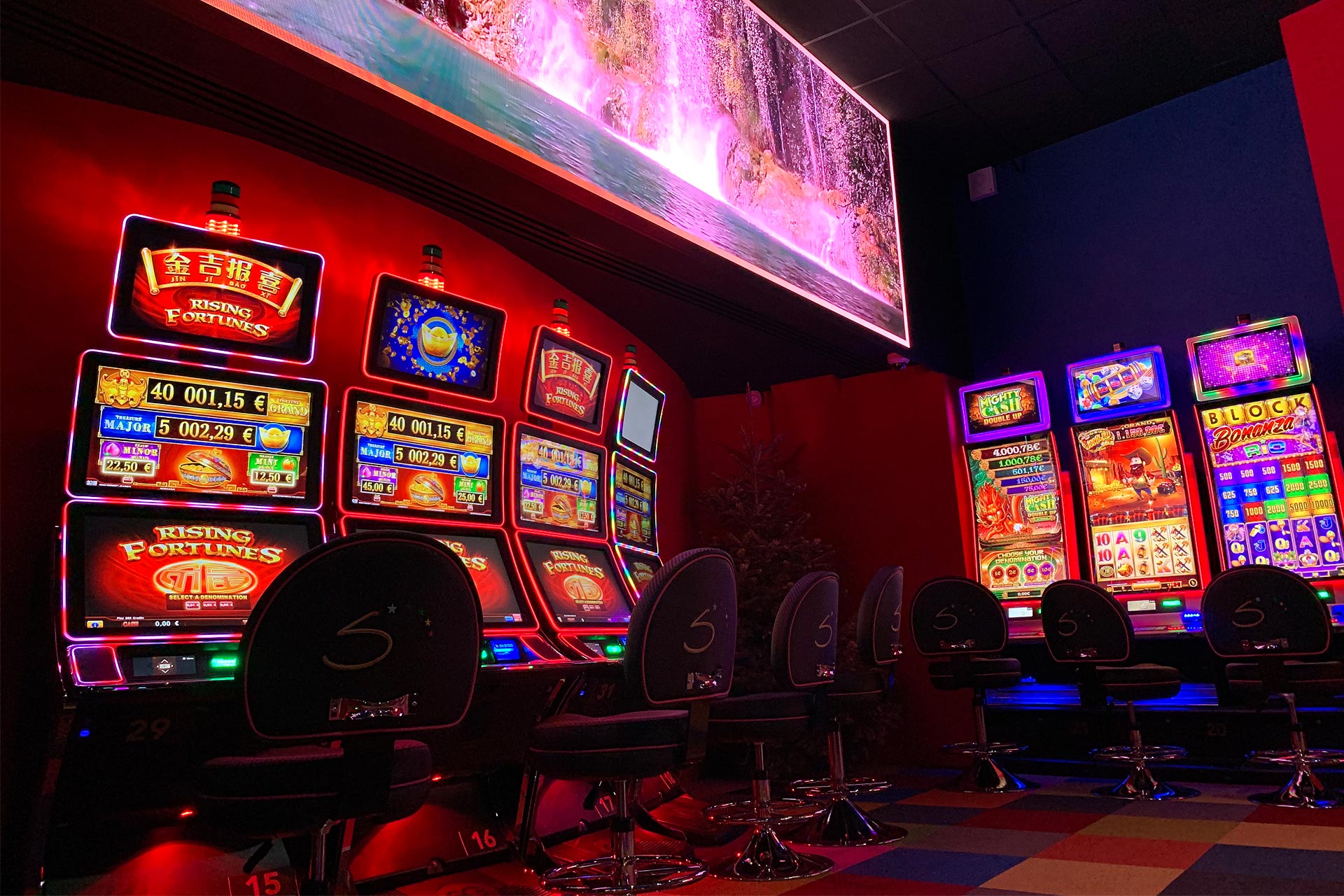
This expectancy effect not only influences individual behavior but also contributes to the casino environment. Casinos are designed to heighten this feeling through sounds, lights, and interactions that keep players engaged. The excitement of potential wins keeps gamblers returning, reinforcing their behavior over time.
The Impact of Reward Systems
Reward systems are integral to understanding gambling behavior. The intermittent reinforcement schedule, where rewards are given sporadically, creates a strong psychological hook. Gamblers experience a rush with each win, which is often unpredictable, making it more thrilling than consistent small wins. This unpredictability can lead to the ‘near-miss’ phenomenon, where players feel they were close to winning, further encouraging them to keep playing.
This psychological trigger can cloud judgment and make it difficult for gamblers to walk away. The high from a win, combined with the emotional fallout of a loss, can create a powerful addiction. This cycle of reward and loss keeps players engaged, often leading to excessive gambling behavior.
The Influence of Social Factors
Social interactions can significantly impact gambling behavior. Many individuals are influenced by their peers, whether through encouragement to gamble or through shared experiences in a casino environment. The social aspect of gambling, such as playing with friends or participating in group activities, can enhance enjoyment and create a sense of belonging, which reinforces the behavior.
Additionally, social media and online platforms allow individuals to showcase their gambling successes, further driving the desire to gamble. This desire for social validation can lead to increased gambling frequency as individuals seek to maintain their image or status among their peers.
The Psychological Effects of Losses
The psychological effects of losses can be profound in the context of gambling. Many players experience a phenomenon known as “loss aversion,” where the pain of losing outweighs the joy of winning. This leads gamblers to chase their losses, convinced that a win is necessary to recover lost funds. The emotional weight of loss can cloud judgment and lead to impulsive decisions.
This pursuit of recovering losses can spiral into deeper financial issues, creating a cycle of increased gambling as players try to regain control. The psychological distress associated with losses often fuels further gambling, making it a critical trigger that influences behavior in casinos.

Explore More on Gambling Psychology
Understanding the psychological triggers that influence casino gambling behavior is essential for both players and industry stakeholders. By examining elements like anticipation, reward systems, social influences, and the impact of losses, we gain insights into the complex motivations behind gambling. This knowledge can help individuals make informed decisions about their gambling habits.
For more information, resources, and strategies tailored to enhance your understanding and approach to gambling, our website serves as a comprehensive guide. Whether you’re new to gambling or looking to refine your strategies, we provide valuable insights to help you navigate this thrilling yet complex world.